Breathwork as a Somatic Tool for Embodiment and Presence
In a world that constantly pulls our attention outward, many people find themselves living primarily in their heads—thinking, planning, worrying, and analyzing. While the mind is a powerful tool, an over-reliance on thinking can disconnect us from the deeper intelligence of the body. Breathwork offers a simple yet profound way to return home to ourselves.
Breath is one of the most direct bridges between the mind and body. It is both voluntary and involuntary, meaning we can consciously guide it while it also continues automatically in the background of life. Because of this unique quality, the breath becomes a powerful entry point for somatic awareness and embodiment.
What Is Embodiment?
Embodiment refers to the lived experience of being fully present within one’s body. Rather than observing life from the neck up, embodiment invites us to inhabit our physical sensations, emotions, and internal rhythms.
When we are embodied:
-
Our awareness includes bodily sensations, not just thoughts
-
We are more responsive rather than reactive
-
Emotions move through us more fluidly
- Our nervous system is regulated
-
We feel grounded and present in the moment
Somatic practices help restore this connection between mind and body, and breathwork is often the most accessible place to begin.
Breath as a Gateway to the Nervous System
Breath directly influences the nervous system. Slow, conscious breathing stimulates the parasympathetic branch of the autonomic nervous system, which supports relaxation, digestion, repair, and restoration. Faster or shallow breathing can activate the sympathetic response associated with alertness or stress.
By bringing awareness to the breath, we begin to regulate our internal state.
Research shows that slow breathing practices can increase vagal tone and support emotional regulation, helping individuals shift from states of stress or hyper-arousal into greater balance and calm (Zaccaro et al., 2018). Similarly, breath-focused practices have been shown to reduce anxiety and improve attentional stability (Jerath et al., 2015).
While these physiological effects are important, the deeper value of breathwork in somatic practice lies in how it reconnects us with felt experience.
Breathwork and the Return to the Body
Breath anchors awareness in the present moment. Each inhale and exhale becomes an invitation to notice sensation: the expansion of the ribs, the softening of the belly, the subtle movement of the spine.
Over time, this awareness begins to deepen.
Instead of controlling the breath, we learn to listen to it. The breath becomes a messenger of our internal state. It reveals tension we may not have noticed, emotions that are held beneath the surface, and places in the body that are asking for attention.
This process cultivates what somatic practitioners call interoception—the ability to sense the internal landscape of the body. Interoception is fundamental to emotional awareness, self-regulation, and presence.
Developing Presence Through Breath
Presence is not something we achieve through effort or discipline. It emerges naturally when our awareness settles into the body.
Breathwork helps cultivate presence in several ways:
1. Slowing the pace of experience
When we slow the breath, the nervous system begins to shift out of urgency and into receptivity.
2. Anchoring awareness
The breath provides a continuous reference point for attention.
3. Softening habitual tension
Many people hold unconscious tension in the diaphragm, chest, jaw, and belly. Breath awareness gently reveals and releases these patterns.
4. Supporting emotional integration
When breath moves freely, emotions often move more freely as well.
Over time, breathwork becomes less about technique and more about relationship—a relationship with the body’s natural rhythms.
A Simple Somatic Breath Practice
You don’t need complicated breathing techniques to begin. In fact, simplicity often supports deeper embodiment.
Try this practice:
-
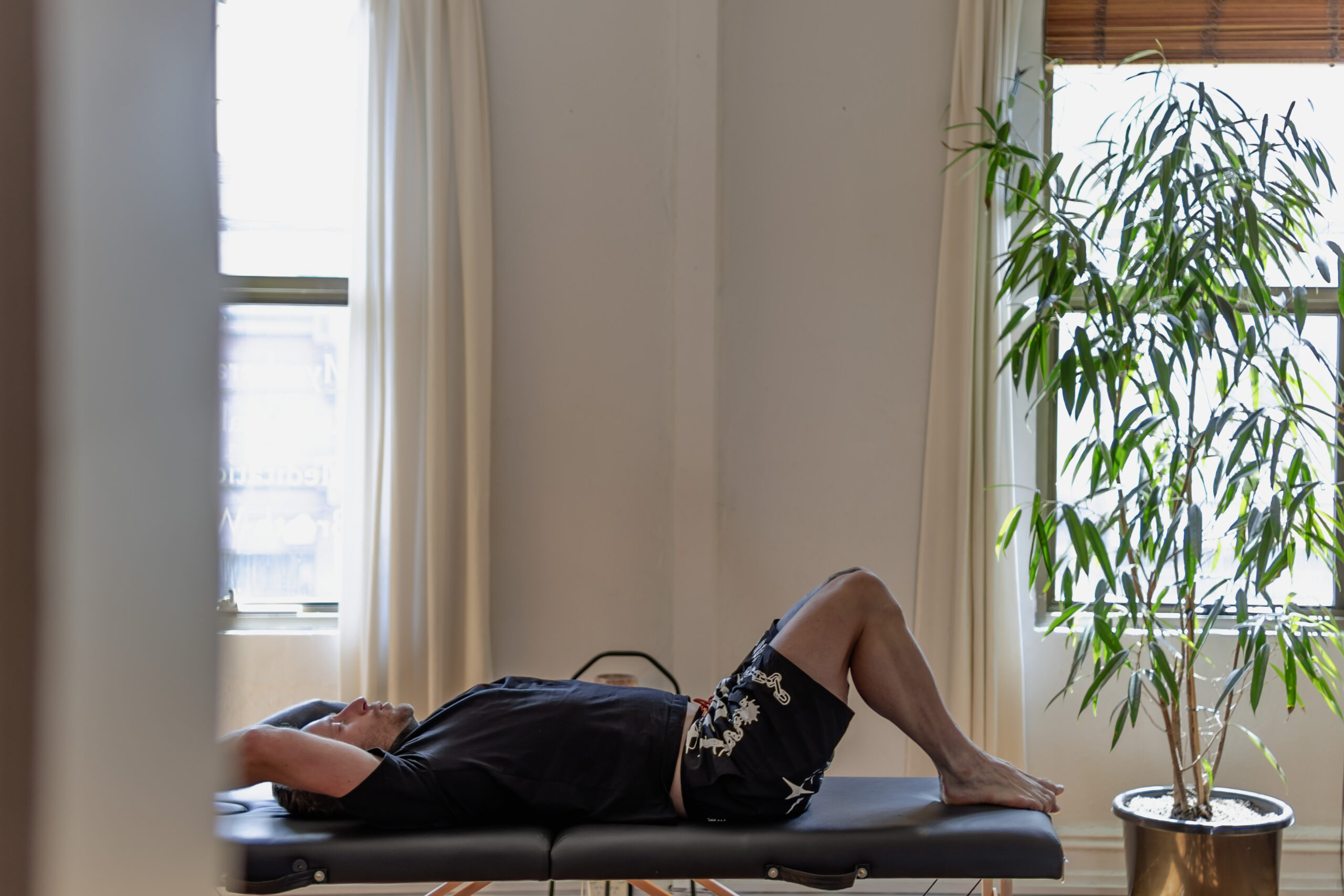
Sit or lie comfortably and allow your body to settle.
-
Bring gentle awareness to the natural rhythm of your breath.
-
Notice where you feel the breath most clearly—perhaps in the belly, ribs, or chest.
-
Allow the breath to deepen gradually without forcing it.
-
With each exhale, let the body soften slightly into gravity.
Spend five to ten minutes simply observing the breath and the sensations it creates in the body.
The goal is not to control the breath, but to be with it.
The Breath as an Ongoing Companion
One of the most beautiful aspects of breathwork is its accessibility. The breath is always with us. It requires no equipment, no special setting, and no complicated preparation. It’s the perfect tool for accessing direct nervous system regulation.
At any moment during the day, we can pause, feel the breath, and return to the body.
This small act of awareness can shift the quality of our experience—bringing us out of mental abstraction and back into the immediacy of life.
Through breath, we rediscover something simple yet profound: that presence is not something we have to create. It is already here, waiting for our attention.