dynamic Myofascial Mobilisation
(DMM)
Relational Touch Training
The Practice
Enhanced Treatment Technique:
Dynamic Myofascial Mobilisation (DMM) is a training program grounded in relational touch, where listening, consent, and nervous system awareness guide every interaction. Rather than applying techniques to the body, DMM teaches practitioners how to meet tissue, pain, and presence as a relationship, allowing change to emerge through safety, attunement, and responsiveness. The work emphasises permission, pacing, and somatic intelligence—supporting touch that is informed, ethical, and deeply human
DMM places particular emphasis on listening to the four primary diaphragms—pelvic floor, respiratory diaphragm, thoracic inlet, and cranial base—as central organisers of breath, movement, and nervous system regulation. Practitioners are trained to sense rhythm, restriction, and relationship between these diaphragms, allowing touch to follow the body’s inherent ordering rather than imposing change. Through attuned contact and patient pacing, DMM supports coherence, responsiveness, and integration across the whole system.
Professional Training Program
This professional training program is thoughtfully structured into three comprehensive modules, designed to span over a period of three months. Throughout this journey, you’ll acquire the skills necessary to seamlessly guide both group and private sessions, conduct posture assessments, master the art of myofascial release, and nurture an unwavering commitment to self-improvement and profound connection.
Who These Courses Are For
Our courses are designed for professionals seeking to deepen their skills and bring a richer, embodied approach to their practice. Ideal for myotherapists, massage therapists, counselors/mental health practitioners wanting to exploring touch, acupuncturists, and advanced yoga teachers. This training offers practical, evidence-informed techniques to support clients in somatic exploration, regulation, and transformation. Graduates leave equipped to facilitate work that is nuanced, relational, and deeply impactful, helping both practitioner and client engage fully in the healing process.
What You’ll Learn
In these courses, we explore anatomy, biomechanics, joint kinesiology, and common pathologies through a listening-based lens, learning not only what structures do, but how they express themselves in relationship. Alongside this, you’ll be guided to sense when ligamentous tissues are ready to be loaded or unloaded, allowing touch to respond to the body’s timing rather than impose force. Breath practice is approached as a living dialogue within the system, supporting regulation and emotional release as it naturally arises through safety, presence, and attuned contact.

Endorsement and Support
It’s worth noting that our program proudly holds endorsement and professional support from The Myotherapy Association Australia, The Massage & Myotherapy Association of Australia and the Australian Natural Therapists Association (ANTA). These endorsements reflect the quality, depth, and professional standards of the training, offering practitioners confidence that the program is recognised, credible, and aligned with industry best practice.
All of our courses are approved for Continuing Education Credits (CECs) across all three governing bodies.
If you have any questions or need more information about the program, feel free to get in touch. Just email us at info@lionsbreathwellness.com.au. We’re here to support you on your journey into this transformative world of bodywork and healing.
Melbourne Winter Intake 2026
- Level 1 Lumbopelvic Region June 25th-27th, 2026
- Level 2 The Thorax July 23rd-25th, 2026
- Level 3 Cranial Concepts August 27th-29th
Please note that this program is by acceptance only, prospective students must book an info session. This is simply to get to know you better and see if we’re a good fit.
We also have a minimum requirement of a Diploma in Remedial Massage as an entry requirement. Please reach out if you have any questions about qualifications or entry requirements.
Class sizes are kept small in order to ensure proper instruction and hands on experience.
Payment Information
Students are required to complete seminars in order, we ask for a full commitment to the program as the material builds in complexity throughout the course.
Training Program Payment Options
We offer flexible payment options to support accessibility while maintaining the integrity of the training.
Full Payment (Best Value)
• $2,500 AUD — includes a $350 discount off the total program cost
• One-time payment upon enrolment
Payment Plan
• $250 AUD bi-weekly for 6 months
• 12 automatic instalments
• Full access to the program while payments are active
Module-by-Module Option
• $950 AUD per module
• Ideal for practitioners wishing to complete the training in stages
• Access is granted per module purchased
If you have questions about which option is right for you, feel free to reach out — we’re happy to help you find the best fit.
Melbourne Spring Intake 2026
- Level 1 Lumbopelvic Region September 24th-26th, 2026
- Level 2 The Thorax October 29th-31th, 2026
- Level 3 Cranial Concepts November 26th-28th, 2026
Please note that this program is by acceptance only, prospective students must book an info session. This is simply to get to know you better and see if we’re a good fit.
We also have a minimum requirement of a Diploma in Remedial Massage as an entry requirement. Please reach out if you have any questions about qualifications or entry requirements.
Class sizes are kept small in order to ensure proper instruction and hands on experience.
Payment Information
Students are required to complete seminars in order, we ask for a full commitment to the program as the material builds in complexity throughout the course.
Training Program Payment Options
We offer flexible payment options to support accessibility while maintaining the integrity of the training.
Full Payment (Best Value)
• $2,500 AUD — includes a $350 discount off the total program cost
• One-time payment upon enrolment
Payment Plan
• $250 AUD bi-weekly for 6 months
• 12 automatic instalments
• Full access to the program while payments are active
Module-by-Module Option
• $950 AUD per module
• Ideal for practitioners wishing to complete the training in stages
• Access is granted per module purchased
If you have questions about which option is right for you, feel free to reach out — we’re happy to help you find the best fit.
Seminar 1
Date
Location 1/406 Brunswick St, Fitzroy, Melbourne
- Level 1 Lumbopelvic Region June 25th-27th, 2026
Investment $950
Understanding Pelvic Dynamics:
Introduction to Breathwork

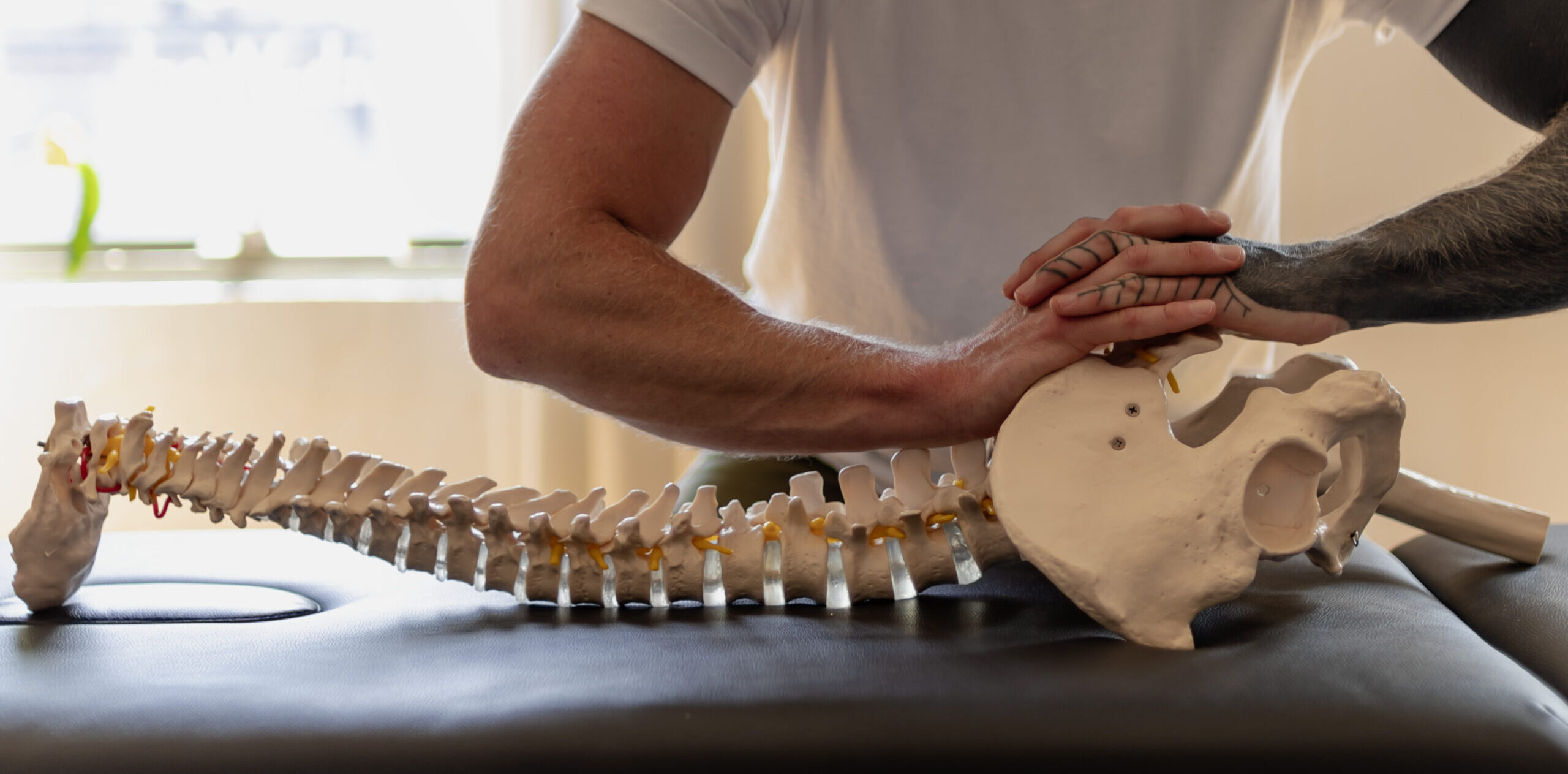

Topics Covered in Seminar 1:
- Anatomy and Physiology of the Breath: Understanding the physiological aspects of breath and its impact on the body.
- Somatic Practices and Introduction to Trauma Theory: Evidence-based somatic interventions grounded in current trauma research to address trauma, support regulation, and promote embodied healing.
- Clinical Assessment and Postural Awareness: The ability to evaluate and understand postural imbalances through a somatic lens
- Ligamentous Release Techniques: Focusing on key ligaments such as sacrotuberous, inguinal, and iliolumbar for effective treatment.
- Dialogue and Communication Techniques: Equipping students with skills to facilitate open, non-violent, and effective communication within session-based work
- Breath of Life and General Listening Skills: Learning to attune to the body’s subtle cues and wisdom.
- Structuring Breathwork and Manual Therapy Sessions: Understanding the framework of DMM for impactful sessions.
- Sacral Unwinding and Lumbosacral Release: Practices that help clients gradually and safely come into relationship with pelvic sensation.
- Somatic Themes of Stability, Security, and Safety: Stability arises through felt support—contact with the ground, skeletal integrity, and predictable rhythms—allowing the body to organize around safety and balance. Security is experienced as relational and internal safety, shaped by early attachment, nervous system regulation, and the capacity to sense boundaries, choice, and agency.
Seminar 2
- Level 2 The Thorax July 23rd-25th, 2026
Prerequisite – Seminar 1, 20 contact hours, assignment 1 submission
Investment $950
Seminar 2: Exploring the Core of the Body and Breath
From a somatic perspective, the core is not simply a muscular center but an organizing field of sensation, support, and agency that spans the diaphragm, deep abdominals, pelvic floor, spine, and associated fascial networks. It is experienced as an inner axis that gathers force, modulates pressure, and transmits movement between the upper and lower body. When the core is organized and responsive, the body experiences a sense of coherence, uprightness, and internal support.
Somatically, power arises from the capacity of the core to generate, contain, and release force with choice. This is not power as domination, but as embodied agency—the ability to act, resist, yield, or remain steady in response to internal and external demands. A well-regulated core allows energy to move through the body without collapse or bracing, supporting assertive action while maintaining relational presence.
Boundaries are felt through the core as the ability to differentiate inside from outside, self from other. Through changes in tone, pressure, and breath, the core dynamically adjusts to protect, orient, and engage. When boundaries are clear, the core supports a felt sense of “enoughness”—knowing where one ends and another begins—without rigidity or withdrawal.
Disruptions in power and boundaries often appear somatically as either excessive holding (hypertonicity, bracing, control) or insufficient support (collapse, dissociation, loss of center). Somatic work with the core emphasizes restoring responsiveness rather than strength alone, allowing power and boundaries to emerge as lived, sensory experiences grounded in choice, safety, and connection.


Seminar 2 Topics:
- Relating to the Abdominal Diaphragm and Thorax: An exploration of the core of the body, its structure, and function.
- Visceral Manipulation: A journey into the inner world of the lungs, liver, and heart. Learning how to foster balance and harmony within.
- Breathing Cycles and Altered States of Consciousness: The breath as a bridge to altered states, shedding light on its profound influence on consciousness.
- Releasing Stored Tension Patterns: Breathwork techniques to uncover and release deeply held physical and emotional tension.
- Reading Energy: A glimpse into the subtle realm of energy, its role in our emotions, and the capacity to harness this energy through breath.
- Release Techniques of the Thoracic Inlet and Respiratory Diaphragm: Techniques to restore balance and freedom in this crucial area.
- Somatic Work with the hip flexors, diaphragm, and thoracic inlet supporting regulation and continuity along the body’s central axis, improving posture, breath, and adaptive response to stress.
- Recognizing Emotions in the Breath: An understanding of how emotions are encoded within our breath, and how to work with this knowledge in healing sessions.
This seminar offers a transformative journey that not only enriches your professional skills but also deepens your understanding of the intricate relationship between the body, breath, and emotions.
Seminar 3
Date
- Level 3 Cranial Concepts August 27th-29th
Investment $950
Seminar 3: The Gateway to the Head, Neck, and Beyond
In Seminar 3, our students embark on a captivating journey through the intricate landscape of the head and neck. This segment of our course casts a profound spotlight on emotional release patterns, empowering students to deepen their comprehension of the intricate dance between somatics, breath dynamics, and bodywork.
Somatic work with the head and neck supports ease in communication and authentic expression by restoring mobility, tone, and coordination between the jaw, throat, cervical spine, and breath. We ground this work with polyvagal theory and practice. When these regions are regulated, speaking arises with clarity and resonance rather than effort or inhibition. Restrictions often reflect held emotion or protective patterns, while somatic approaches cultivate safety, choice, and a felt capacity to express oneself with presence and agency.
- Relating to the Tentorium Cerebelli and Falx: Understanding the architectural wonders of the head and its pivotal structures.
- Cranial Vault Holds and Craniosacral Theory: Exploring the mysteries of the cranial realm and its connection to our overall well-being.
- Release Techniques for the TMJ, Sphenoid, Suboccipitals, Anterior Neck, and Hyoid Bone: Mastering the art of gentle yet powerful releases through detailed exploration.
- Breath Mechanics and Joint Kinesiology: Unveiling the secrets behind breath mechanics and the kinesthetic wisdom of joints.
- Advanced Breathing Techniques: Elevating your breathwork practice to new heights, exploring techniques that foster profound transformation.
- Advanced Breath Physiology: Delving into the science of breath, understanding its profound impact on our physiology.
- Somatic Movement Practices and Trauma Theory: Bridging the gap between somatic practices and the theory of trauma, offering a comprehensive perspective.
- Advanced Energetics and Integration Techniques: Connecting the dots between spirit, the body, and holistic integration.


Assessments and Transformation: By this stage of the program, students will have embarked on a journey of practical assessments and gained valuable hands-on experience through facilitating multiple group and private sessions. This milestone equips students with the confidence to create a safe and nurturing space for the work, enhanced by a profound understanding of the mechanics and physiology of the breath.
The Course Focus: At the heart of Seminar 3 lies a primary focus on myofascial manipulation of the anterior neck, the delicate hyoid bone, TMJ releases conducted via intra-oral palpation, spheno-basilar decompression, the SCM/trapezius sling, tentorium cerebelli, and holistic integration.
We also explore the deeper somatic dimensions of authentic communication and expression, tuning into where the body may be holding tension, constriction, or inhibition. By bringing mindful awareness to these patterns, we can notice where we “hold back” our voice or presence, and gently engage with the fear or discomfort underlying these restrictions. Through compassionate embodiment, students cultivate a felt sense of safety and agency, allowing expression to emerge from the body with clarity, resonance, and ease.